
“Confidence Without Control Isn’t the Goal” — How Candace Learned to Pause, Think, and Win
Some kids aren’t “shy.”
They’re the opposite.
They have a strong personality. They hate unfairness. And when they see someone getting picked on, they don’t sit back—they step in.
That was Candace.
Watch the interview...
Mark (her dad) described her as the kind of kid whose attitude could be misread by teachers and other students. She wasn’t trying to be difficult. She just couldn’t stand bullies—and she often felt responsible to “save the day.”
The problem was that her instinct to protect people sometimes turned into a fast, emotional reaction… and that could escalate situations instead of fixing them.
So Mark and his wife made a decision that changed Candace’s life.
They enrolled her in martial arts at 10 years old.
Candace is 21 now, in college, and still using what she learned—especially when life gets hard.
The biggest change: self-control, composure, and mental toughness
When I asked Mark about the biggest change he’s seen in Candace, he didn’t talk about belts, trophies, or athletic skills.
He said this:
Self-control and composure.
He explained that Candace learned how to handle difficult things the same way—one step at a time.
That idea stuck so deeply that she still uses it in college today when she feels overwhelmed by:
showing up all at once
Instead of panicking or spiraling, she breaks it down, handles the next step, and keeps moving.
Mark told me she even referenced something from training in a text—remembering the “one step at a time” message and using it to get through a challenge on campus.
That’s the kind of result parents want: not just “better behavior,” but a child who grows into an adult who can regulate themselves when you’re not there.
The “before” Candice: big heart, quick reactions, and trouble at school
Mark described something a lot of parents will recognize:
Candace didn’t always listen when told to walk away or report something.
If she saw bullying, she didn’t want to watch it happen. She wanted to step in.
But when you step into the middle of a bullying situation the wrong way, the attention often turns to you.
Mark said they tried coaching at home. Teachers tried coaching. School staff got involved.
It wasn’t really working.
And then there was a turning point.
The wake-up call: when it became physical
Mark shared a moment during PE class that made it clear things needed to change.
There was a boy messing around during a soccer game—hogging the ball, disrupting everyone. Candace had enough. When the ball came to her, she kicked it far away so the bully couldn’t keep controlling the game.
But she turned around too close to him—and he got angry.
It turned physical.
That was the line for Mark.
Not because Candace was “bad,” but because she needed to learn how to channel her intensity in a safer, smarter way.
Why martial arts (and why the right kind of program matters)
Mark said he always believed martial arts could help with discipline and mental toughness.
But he also learned that not all schools train the same way.
He had tried programs that felt overly structured, with little real-life application—movement without the “how” or “why” behind it.
What he wanted for Candace was specific:
When he watched one of our sessions—kids working, sparring, training in a controlled environment—he knew this was the kind of place Candace needed.
The early weeks and months: learning to pause before acting
Mark said the biggest adjustment wasn’t the physical training.
Candace actually enjoyed the physical side.
The real change started when she realized something important:
In training, you can’t just react emotionally.
You have to pause, think, and choose what to do next.
Mark said it best: martial arts is mostly mental.
It teaches a kid to ask:
That’s exactly what Candace needed—because before training, she often acted on emotion in the heat of the moment.
The lesson that stuck: “Stop. Break it down. Strategize.”
Mark shared a story from Youth Development League (YDL) that shows the difference between a kid who reacts… and a kid who can reset.
Candace was matched against a high-level opponent—someone whose reputation got into her head. When that happens, a competitor can mentally lose before the round even begins.
Early in the match, Candace struggled.
But then she was reminded of the real skill:
Stop. Think. Break it down. Strategize.
And when it clicked, her movement changed. She loosened up. She began countering. She started fighting smarter.
Mark described it as “flowing more like water.”
That’s more than a sports moment.
That’s a life skill.
Because life will “hit harder” than a sparring round sometimes—and the kids who can pause and re-strategize are the ones who keep moving forward.
How it showed up in high school and college
Candace didn’t keep the lessons inside the gym.
Mark shared how she carried the discipline into high school—balancing sports, homework, and responsibilities.
He even coached her to use the martial arts mindset when she disagreed with a cheer coach:
Don’t argue emotionally.
Don’t confront.
Be respectful.
Communicate clearly.
And the result? Her feedback was appreciated.
Now, in college, the same tools show up again:
When she feels overwhelmed, she can pause, regroup, and keep going.
Mark said that’s what he means by mental toughness:
The truth Mark nailed: confidence is good… but confidence with control is better
One of the best lines from this conversation was Mark realizing something in real time:
Candace always had confidence.
But what she needed was the ability to keep that confidence without ego, and without reacting emotionally.
** says it plainly:
Not everything needs a reaction.
Sometimes the strongest thing your child can do is pause, think, and choose the right response—rather than reacting fast and paying for it later.
If your child is emotional, reactive, or always stepping into bullying situations…
Your child might not need “more punishment” or another lecture.
They may need training—real training—inside a safe environment where they can practice:
That’s what this journey did for Candace—and it’s why Mark still sees the benefits today.
Ready to see if this is the right fit for your child?
If you’re in the West Jordan, UT area and you want your child to build confidence, self-control, and real-world leadership skills, your first step is simple:
Book a Free Trial Session online
You’ll get to see the environment, meet the coaches, and let your child experience the training for themselves—without pressure.
Book your trial session here:

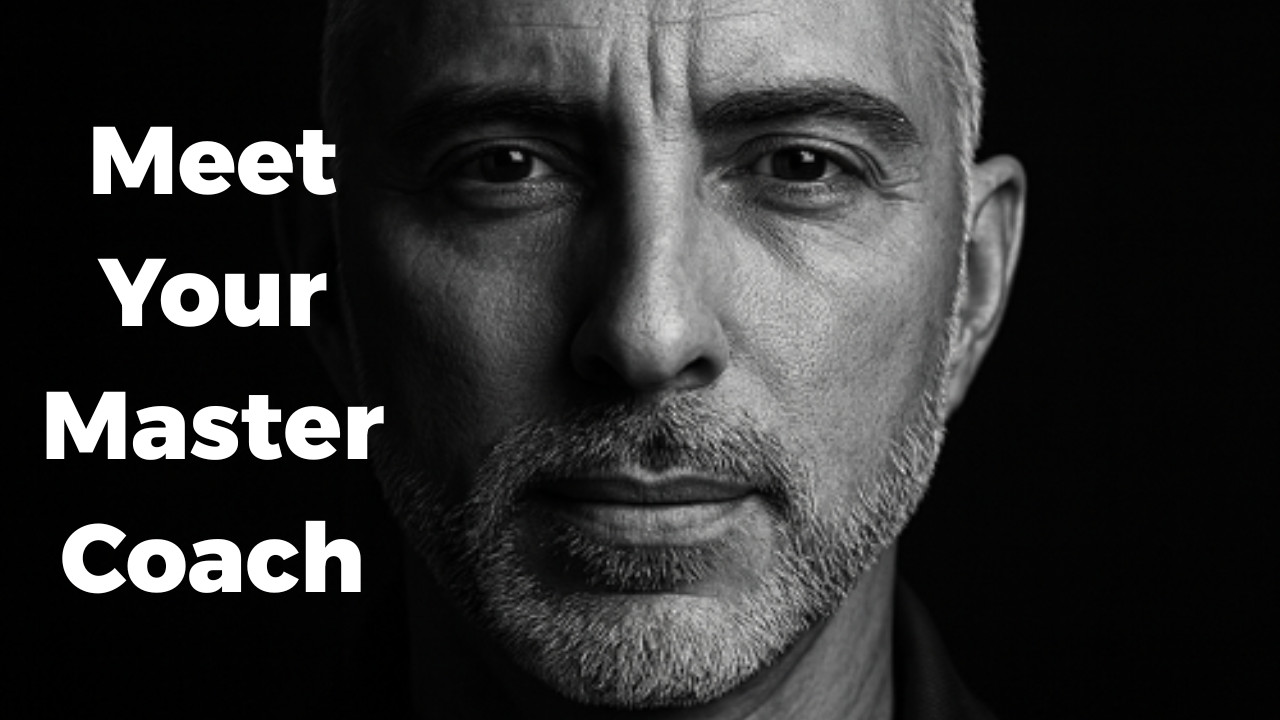
About The Author
Coach Jason (Master Jason) is the Owner and Head Instructor of Level 8 Martial Arts & Fitness in West Jordan, Utah, where he helps kids, teens, and adults build real-world confidence through discipline, skill, and consistent character training. With 34+ years of teaching and coaching experience, he’s known for a supportive-but-challenging approach that develops strong communication, calm leadership, and the kind of self-belief that shows up at home, at school, and in everyday life.
Area Serviced
West Jordan
South Jordan
Taylorsville
Midvale
© Copyright 2026-Present Level 8 Martial Arts & Fitness LLC. All Rights Reserved