
How Martial Arts Helped Elise Find Her Voice Again
There’s a moment every parent recognizes.
Your kid is smart. Kind. Capable.
But in certain situations… There is room for growth.
And here’s why Sarah decided to put Elise into martial arts.
Not because Elise was “a problem.”
Not because she needed punishment.
But because Sarah wanted Elise to grow into someone who could stand tall—especially when life got uncomfortable.
Here’s what happened.
Watch Sarah's interview
The biggest change: confidence to stand her ground (with her voice)
When I asked Sarah what the biggest change was in Elise since starting training, she didn’t hesitate:
“Confidence. Confidence in her own ability to stand her ground… with speaking up.”
Not physically. Not looking for fights.
But the kind of confidence that shows up when:
Sarah described it perfectly:
Elise learned that if she has done her due diligence—thinking it through, learning, practicing—she can stand with her head high even if others don’t understand her choice.
That’s not just confidence.
That’s self-worth.
The “confidence dip” that changed everything
Elise started training around age 7 (during COVID), and she built real momentum.
Then life happened.
Sarah’s family moved when Elise was 10, a critical age socially.
Before the move, Elise had the same friends, family, and culture around her. She was outgoing and secure.
After the move?
Sarah noticed Elise started defaulting to what her new friends wanted:
Same kid… different environment… different result.
And because Sarah had already seen what martial arts did for Elise once, she recognized the shift quickly.
So the family went searching for the right school again—visiting multiple places, watching instructor temperaments, looking for a program with structure and leadership, just like Master Jason's.
They found it.
Today, Elise is 14, a junior leader, and she’s set to test for her first-degree black belt soon.
Why martial arts “sticks” when other activities don’t
Sarah’s family tried plenty of normal activities:
She’s not anti-sports at all. She actually loves what team sports teach.
But Elise didn’t need more “team reliance.”
She needed something different:
A goal that was specifically hers.
A system where success or failure came down to her effort.
That’s the magic of martial arts for the right kid.
It’s not a vague “someday you’ll be better.”
It’s clear:
That mapping does something powerful inside a child:
It creates intrinsic motivation—the kind that doesn’t require constant reminders, bribes, nagging, or punishment.
Sarah even described the “decision moment” that happens in so many homes:
Elise would say, “I’m tired. I don’t want to go.”
And Sarah would calmly respond:
“Okay. Are you ready for the consequence? You test in April.”
And Elise would choose to go—again and again.
Not because she was forced.
Because she understood that her goals cost something.
That’s a life skill.
The surprising hurdle: it wasn’t the kicking… it was the conditioning
This part made me smile because it’s so real.
Elise loved the fun stuff:
But the hardest part early on?
Pushups. Sit-ups. Conditioning.
Sarah said little kids often don’t see how those pieces connect.
They just want to “do the cool moves.”
But that resistance is actually part of the process—because conditioning quietly teaches:
And years later, Elise is now the one telling younger kids:
“I promise—this makes a difference.”
That’s when you know it’s working.
The “physical-to-brain connection” that changed Elise forever
One of the most powerful parts of Sarah’s story was Elise’s early fear of making contact.
Elise wasn’t an aggressive kid.
She wasn’t used to force.
She’d never hit someone.
At first, she was terrified.
Then something clicked.
When Elise learned the mechanics—how to move her shoulder, place her hands, turn her hips—she realized:
“I can.”
Not “I might.”
Not “maybe.”
I can.
That physical competence does something deeper than people realize:
It removes fear of the unknown.
It replaces “panic” with “clarity.”
And it frees a kid to stay calm and think in stressful moments—because their body is no longer a mystery to them.
Sarah even shared a moment that said everything:
Elise came home after sparring and said:
“I won all four matches…
Two by brute force.
Two, because I was smart. I followed the rules.
The other person was emotional and beat themselves.”
That’s what martial arts is supposed to produce.
Not a bully.
Not a brawler.
A composed young person who can handle pressure and stay clear-headed.
Confidence changes who your kid surrounds themselves with
Here’s a benefit parents don’t always expect:
When a kid grows internally, they start choosing better externally.
Sarah noticed Elise’s friend group shifting toward kids who were:
And that matters a lot at 14–15, when so many kids are getting pulled into:
Elise doesn’t need validation from strangers. She’s building her identity from the inside out.
That’s not accidental.
That’s trained.
The takeaway for parents sitting on the fence
I asked Sarah what she would say to a parent debating whether martial arts is worth it.
Her answer was simple:
“Absolutely, try it. Invest the money. Invest the time. It will pay off.”
And she used the right word: investment.
Because the payoff doesn’t always show up in week one.
This is compounding growth.
Little reps. Over time. Becoming a different kid.
If you’re considering Level 8, here’s what this story should tell you
Level 8 isn’t just another activity that you put your child in.
It’s about building a young person who can:
If that’s what you want for your child, then the next step is simple:
Click the button below to start an application to test-drive it, or...Come see it in action.
Watch a class. Meet the coaches. Feel the culture.
Then let your child try it—long enough for the “I can” moment to happen.
Because once that moment hits…
Everything changes.
If you want, tell me:

About The Author
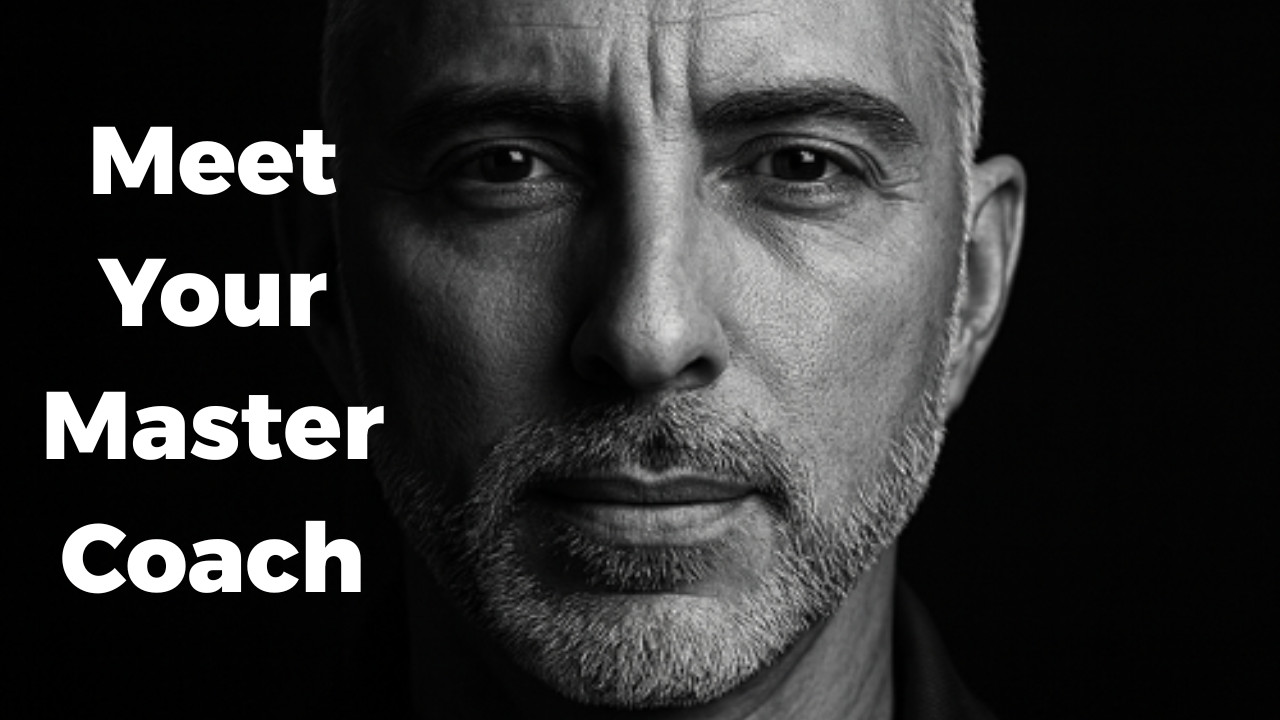
I’m Jason, founder and head coach at Level 8 Martial Arts & Fitness. I’ve spent 35+ years training martial arts and coaching more than 10,000 kids, teens, and adults, with a background that includes the U.S. Marine Corps and the All-Marine Corps Tae Kwon Do Team. In Boxing Lab, my job is simple: find what’s holding you back, show you what to fix first, and give you a clear plan to improve.
Area Serviced
West Jordan
South Jordan
Taylorsville
Midvale
© Copyright 2026-Present Level 8 Martial Arts & Fitness LLC. All Rights Reserved